
Texas Holdem Tournament Tips For Aussie Players Who Want Positional Edge
A good run at the felt starts long before the blinds climb, and that is exactly why solid texas holdem tournament tips matter more than raw starting-hand charts. You can watch the river card land and still lose the pot if you misread stack-to-blind ratios and failed to adjust your bet sizing when the table dynamics shifted. The real work happens between orbits, where disciplined observation, clear bankroll limits, and respect for the local pace of play turn a nervous seat into a controlled one. We built this walkthrough around how an Australian player actually sits down, reads the table, and uses position to extract value without overplaying marginal hands.
Reading position before you play a single hand
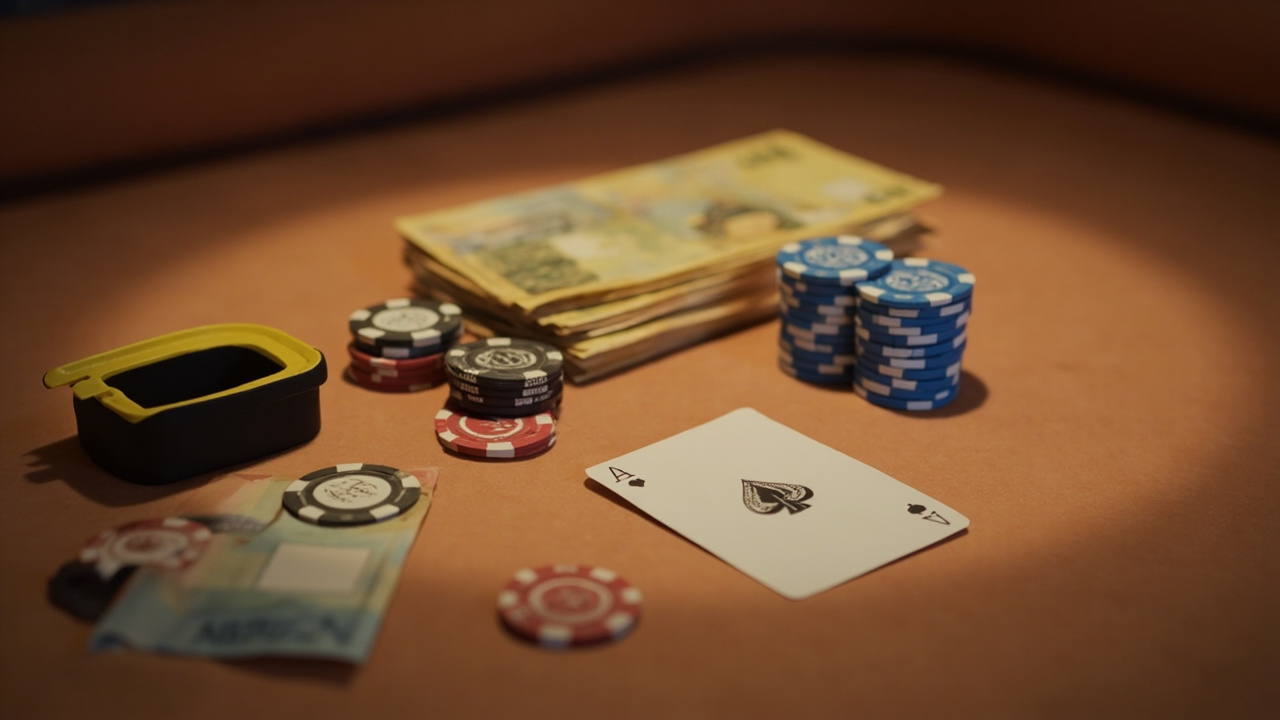
The first session sits down with a clear view of the dealer button and a quiet mind, because position dictates every decision you make when the action folds around to you. You learn quickly that late position lets you control pot size, while early position forces tighter ranges and smaller, more deliberate bets. A player who ignores that structure ends up calling too many raises out of the blinds and chasing draws with money they should have preserved for cleaner spots. The same logic applies when you study how a slot mathematician models reel stops and hit frequency: the underlying probability grid only pays off when you respect the sequence and stop forcing outcomes that belong to a different line altogether.
When the table slows down during a quiet arvo session at a Sydney club, you can actually read betting patterns instead of reacting to them. A tight player who suddenly splashes into a multi-way pot is usually carrying a strong hand or a well-timed semi-bluff, and that is the moment to tighten your own calling range rather than chase a marginal top pair. The table rhythm tells you more than any single card, and disciplined players use that information to fold when the math says the equity is already gone.
Managing your stack through the blinds
A tournament run is really a sequence of stack decisions, and the blind structure is the clock that forces those decisions. You start by tracking your chip count against the current blinds and antes, because a stack that looks comfortable at 50 big blinds becomes dangerously thin once the next level hits. The practical move is to identify your red-line thresholds before you sit down, so you know exactly when to push, when to call, and when to preserve a playable stack for the next orbit.
- Note the starting stack, the blind levels, and the time between rebuys so you can pace your aggression rather than react to every raise.
- Mark your effective stack in big blinds at each level, then adjust your opening ranges so you are not overcommitting with short-stack pressure hanging over you.
- Keep a running tally of your remaining tournament life, because survival at a reasonable stack beats a heroic all-in that leaves you watching from the rail.
- Reset your plan after every break, since the table texture and remaining player count will shift your risk tolerance more than any single hand result.
The whole process mirrors the way a physics-driven iGaming engine calibrates reel behaviour around a fixed return model: you are not hoping for a lucky spin, you are working inside a known distribution and letting the edges compound. That mindset keeps you from tilting into marginal calls just because the cards ran cold for twenty minutes.
Knowing when the table stops rewarding your style
A player who can read their own rhythm is already ahead of the table, but the real test comes when the dynamics shift and your preferred style stops getting paid. You might be a patient, post-flop grinder who thrives in deep-stack multi-way action, yet the same approach becomes expensive once the field thins and the remaining players start shoving lighter. That is the moment when good texas holdem tournament tips become a brake pedal, not a throttle, and you adjust your ranges to match the tighter, more aggressive environment instead of forcing your old habits into a new structure.
The Sydney scene has its own tempo, and a busy Saturday night at a Harbour-side venue will play differently from a quiet midweek session at a smaller room. You learn to read that tempo, to recognise when the crowd is leaning in and when it is leaning back, and to let that information guide your bet sizing rather than your ego. As Emily Clarke, Lead Gaming Analyst, Great Southern Betting Review, puts it, the players who last are the ones who treat position and stack depth as a single decision tree, not as separate habits they can toggle on and off.
Payment timing and cash flow matter just as much as the cards, especially when you are on the punt and the live table is moving fast. You want a setup where your buy-in, your rebuy window, and your exit plan all sit on the same clock, because a slow payout process or a muddled deposit flow can turn a clean session into a frustrating one. Dylan Turner, Payments Strategy Director, Bondi Sports Data, notes that the best tournament rooms keep the money side as predictable as the blind structure, so you are never guessing whether your stack is actually usable when the next level hits. That kind of clarity is what separates a controlled seat from a seat that runs on hope.
The right approach is the one that fits your rhythm, your bankroll, and the table you actually sit in, not the one that looks impressive on paper. You take the time to learn position, you track your stack against the blinds, and you walk away when the dynamics stop paying you for your style. That is a practical run, and it is the kind of run that keeps you coming back to the felt with a clear head instead of a short stack and a sore temper. elvis frog trueways